Mattress firmness describes how a mattress feels when you lie down, ranging from plush and soft to firm and supportive. Although firmness and support are related, they are not the same. Firmness refers to the surface feel, while support describes how well the mattress maintains proper spinal alignment. Understanding these differences can help shoppers choose a mattress that feels comfortable while providing the support needed for restful sleep.
The firmness scale typically ranges from 1 to 10. Soft mattresses usually fall between 1 and 3, medium options range from 4 to 6, and firm mattresses fall between 7 and 10. When comparing options at mattress stores, understanding these ratings makes it easier to identify products that match your preferences. However, firmness ratings can vary between manufacturers, so it is important to consider how each mattress actually feels.
A firm mattress is not automatically more supportive than a soft one. Quality materials and construction determine how effectively a mattress distributes body weight and maintains alignment. The best choice balances surface comfort with the support needed for consistent sleep quality. Shoppers should evaluate both characteristics rather than relying on firmness labels alone.
Choosing Firmness Based on Personal Needs
Body weight, sleeping position, and personal comfort all influence the ideal mattress firmness. Heavier individuals may prefer firmer options to prevent excessive sinking, while lighter sleepers may find softer mattresses more comfortable. Individual preferences also depend on previous sleeping experiences and sensitivity to pressure.
Side sleepers often benefit from softer surfaces that cushion their shoulders and hips. Back sleepers frequently prefer medium-firm mattresses that balance contouring with support, while stomach sleepers may feel more comfortable on firmer surfaces that limit excessive sinking. Combination sleepers should consider options that accommodate multiple positions throughout the night.
Health concerns can also influence mattress selection. People experiencing back discomfort may prefer medium-firm options, although individual needs vary. Anyone with persistent pain or specific medical concerns should consult a qualified healthcare professional for personalized guidance before choosing a mattress based on health-related claims.
Couples face additional considerations when choosing a shared mattress. One person may prefer a softer surface while the other needs firmer support. Split mattresses and adjustable firmness models can help accommodate different preferences. When visiting mattress stores together, both partners should test their preferred sleeping positions and discuss which features matter most.
Comparing Mattress Types and Firmness
Soft mattresses provide a plush surface that contours closely to the body. They can appeal to side sleepers and people who prefer cushioning around pressure points. However, excessive sinkage may reduce comfort for some individuals, making it important to evaluate both firmness and support before purchasing.
Medium mattresses offer a balance between cushioning and resistance. Their versatility makes them popular among combination sleepers and couples with different preferences. Depending on their construction, they can provide enough contouring for comfort while maintaining the support needed for proper alignment.
Firm mattresses generally create a more stable sleeping surface with less sinkage. They may appeal to stomach sleepers and people who prefer sleeping on top of the mattress rather than sinking into it. However, a surface that feels too firm can create uncomfortable pressure around the shoulders and hips, particularly for people who sleep on their sides.
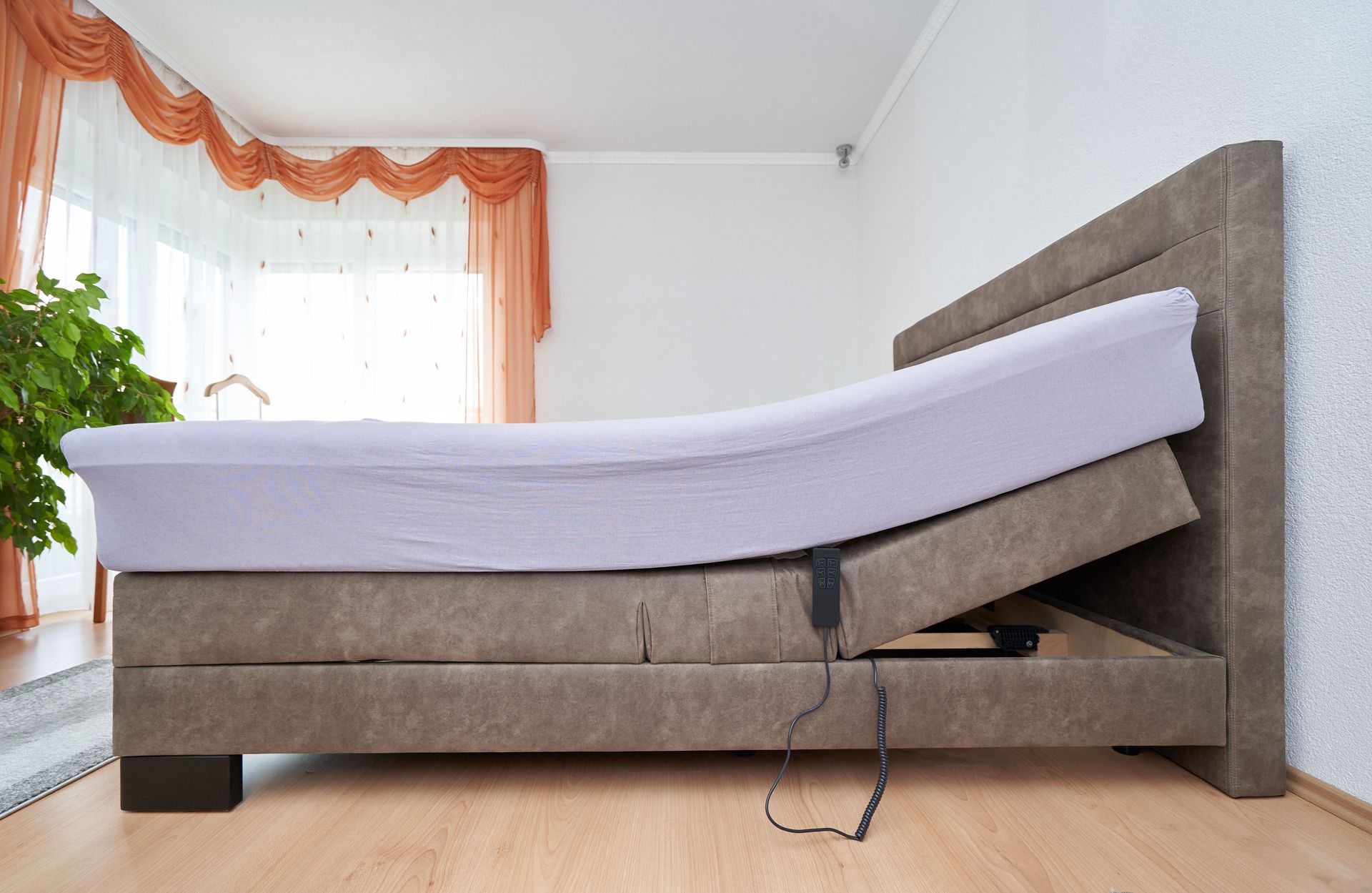
Hybrid mattresses combine materials such as foam and innerspring coils to provide different combinations of contouring and responsiveness. Adjustable models offer additional flexibility by allowing sleepers to change firmness settings. Comparing these designs at mattress stores can help shoppers understand how materials and construction affect the overall sleeping experience.
Evaluating Mattress Comfort and Support
Visiting a showroom allows shoppers to compare firmness options in person before making a purchase. Spending several minutes on each mattress in a normal sleeping position can reveal differences in cushioning and support. Pay attention to pressure around the shoulders, hips, and lower back, along with how easily you can change positions.
Online mattress purchases may include trial periods that allow customers to evaluate comfort at home. Before purchasing, review the trial requirements, return shipping arrangements, and any associated fees. These policies can be particularly important when a mattress feels different after several nights of use.
Signs of an unsuitable mattress include persistent discomfort, excessive sinking, or difficulty maintaining a comfortable sleeping position. Frequent tossing and turning may also indicate that the surface does not meet your needs. Although these symptoms can have other causes, they are worth considering when evaluating mattress performance.
Over time, mattresses can lose their original feel as materials wear down. According to The Spruce, it's recommended to replace your mattress every seven to 10 years, but the total lifespan also depends on the type and quality of your mattress, among other factors. Visible sagging, reduced support, and declining comfort may indicate that replacement is necessary sooner.
Comparing Mattress Prices and Quality
Mattress prices vary according to materials, construction, size, and additional features. A higher price does not guarantee a better night's sleep, so shoppers should compare comfort, durability, and warranty coverage rather than relying on cost alone. Establishing a realistic budget helps narrow the selection without overlooking important features.
Many mattress stores offer seasonal promotions, financing options, and products across different price ranges. Comparing available models can help shoppers find a suitable balance between affordability and long-term comfort. It is also worth reviewing return policies before purchasing, particularly when choosing a firmness level for the first time.
Consider how construction and materials may affect long-term performance. High-density foams, quality coil systems, and durable upholstery can influence how a mattress performs with regular use. Product descriptions and manufacturer specifications provide useful information when comparing models with similar firmness ratings.
Warranty terms provide additional information about a mattress purchase. Some warranties cover manufacturing defects or significant material deterioration under specific conditions, but they generally do not guarantee personal comfort. Understanding the coverage period, exclusions, and return requirements can help protect your investment.
Researching Mattress Reviews and Brands
Customer reviews can provide useful insight into how mattresses perform during everyday use. Look for feedback about firmness, pressure relief, durability, and comfort across different sleeping positions. Experiences from people with similar preferences may be especially helpful when comparing several models. You can also find reviews of various mattress stores.
Professional reviews can offer additional information about materials, construction, and performance. Independent comparisons may also identify differences between mattresses that appear similar in product descriptions. Reading multiple sources helps create a more balanced understanding of each option.
Brand reputation and customer service are also worth considering. Clear product specifications, transparent warranty terms, and accessible support can make the purchasing process easier. When comparing options at mattress stores, shoppers should also consider delivery arrangements, available sizes, and whether old-mattress removal is offered.
Finding the Right Mattress Store
Choosing the right mattress involves more than selecting a firmness rating. Sleeping position, body weight, preferred materials, and budget all contribute to finding a comfortable option that supports your needs. Taking time to compare products can help you feel more confident about your decision.
Visiting mattress stores gives shoppers an opportunity to explore different firmness levels, compare materials, and ask questions before committing to a purchase. Whether you prefer plush cushioning, balanced support, or a firmer feel, evaluating your options carefully can make the process easier. Consider your long-term comfort needs alongside price, durability, and available return policies.
Visit BEDZ to explore mattress options and find a surface that matches your comfort preferences. The team can help you compare available choices and identify products suited to your sleeping habits and budget. Contact BEDZ today to get started on finding a mattress that helps you enjoy more comfortable, restful nights.