By Ian Moriarty
October 30, 2026
Snoring can affect both the person making the sound and anyone sharing the room. While occasional snoring is common, it can become frustrating when it regularly interrupts sleep. One practical option some sleepers explore is changing their nighttime position, particularly by raising the upper body instead of lying completely flat.
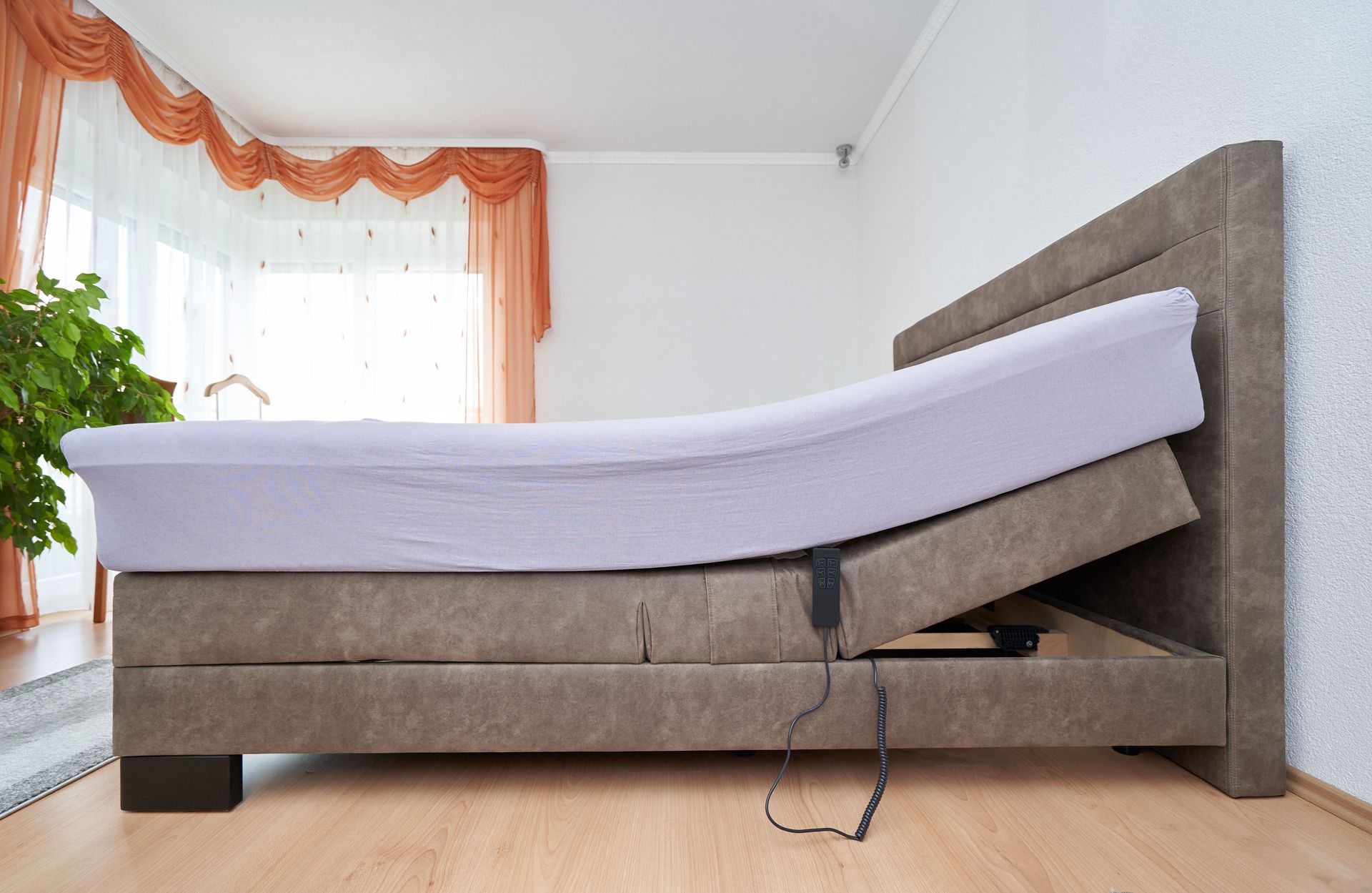
According to Sleep Foundation data gathered from roughly 160,000 sleep profiles, about 20% of sleepers say they snore regularly, while more than two-thirds report snoring at least occasionally. Adjustable beds make it possible to change the angle of the head and feet without stacking pillows or permanently altering the mattress setup. For people whose snoring changes with sleep position, that flexibility may make the bed feel more comfortable and supportive.
Understand Why Sleep Position Can Affect Snoring
Snoring occurs when airflow through the upper airway causes relaxed tissues to vibrate during sleep. Several factors can contribute, including nasal congestion, anatomy, alcohol use, body weight, and sleep position. Sleeping flat on the back can make snoring worse for some people because the airway may become more restricted in that position.
Sleep Foundation notes that raising the head of the bed may help reduce snoring. This does not mean elevation will solve every case, but it gives sleepers a simple positional adjustment to try. An adjustable base allows the upper body to be raised gradually until the sleeper finds an angle that feels comfortable.
BEDZ carries adjustable beds that let users change head and foot positions with a motorized base. Its current product guidance specifically lists minimizing snoring as one potential reason customers may consider an adjustable setup.
Use Head Elevation Without Piling Up Pillows
People sometimes try to sleep higher by stacking several pillows. That can work temporarily, but pillows can shift during the night or bend the neck differently from the rest of the upper body. An adjustable base raises the sleep surface itself, which can create a more consistent incline.
With adjustable beds, the user can experiment with small changes instead of committing to one fixed angle. Some people may prefer only slight elevation, while others may feel more comfortable sitting higher. Because comfort is individual, the most useful setting is usually the one that feels sustainable through the night.
Head elevation can also be adjusted back to flat when it is not needed. That flexibility is helpful for couples or individuals whose preferred position changes depending on whether they are sleeping, reading, watching television, or relaxing.
Consider a Split Base for Couples With Different Preferences
Snoring frequently affects a bed partner as much as the person who snores. A couple may have very different comfort preferences, making a single fixed sleep position difficult to share. One person may want the head elevated while the other prefers lying flat.
Split adjustable bases can allow each side of the bed to move independently when paired with a compatible split mattress setup. Sleep Foundation identifies split adjustment as a common feature that lets partners customize their individual positions.
For a couple dealing with snoring, this arrangement can make positional changes less disruptive. One partner can raise the head of their side without necessarily changing the other person's setting. Shoppers should verify which sizes and mattress configurations support independent adjustment before purchasing.
Look for an Adjustable Base That Fits the Mattress
The base is only one part of the sleep system. The mattress also needs enough flexibility to move safely with the changing angles of the frame. Sleep Foundation notes that foam and hybrid mattresses are commonly compatible with adjustable bases, although compatibility ultimately depends on the individual product.
BEDZ sells both mattresses and adjustable bases, allowing shoppers to compare the two together. The company recommends checking compatibility before assuming an existing mattress will work with a new base.
When trying adjustable beds in person, shoppers can pay attention to how the mattress feels when the head is raised. A position that appears useful mechanically still needs to feel supportive through the shoulders, back, hips, and legs. Testing several angles can help separate a useful feature from one that may rarely be used.
Compare Features That Affect Everyday Comfort
Head and foot elevation are the defining features of an adjustable base, but models can include additional functions. Depending on the product, those may include wireless remotes, position presets, massage, USB charging ports, under-bed lighting, or smartphone controls.
Some newer models even include automatic anti-snore functions. Sleep Foundation explains that these systems may use sensors to detect snoring and then raise the head of the bed automatically. Not every adjustable base includes this technology, so shoppers interested in it should confirm the exact specifications of the model they are considering.
More features do not automatically mean a better bed. A shopper who mainly wants easier head elevation may prefer a straightforward model, while another person may value presets or independent controls. Matching features to actual habits can keep the purchase focused on comfort rather than novelty.
Remember That Snoring Can Have Different Causes
An adjustable base is a comfort product, not a diagnosis or treatment for every cause of snoring. Persistent or loud snoring can sometimes be associated with obstructive sleep apnea, particularly when it occurs with gasping, choking, pauses in breathing, morning headaches, or significant daytime sleepiness.
Sleep Foundation advises people with signs of sleep apnea to discuss them with a healthcare professional. Changing sleep position may reduce snoring for some sleepers, but it should not replace medical evaluation when symptoms suggest an underlying sleep disorder.
This distinction is important when shopping for adjustable beds. The ability to elevate the head can be useful for positional comfort, but consumers should be cautious about products that imply they can diagnose, cure, or universally prevent snoring. The practical benefit is greater control over sleep position.
Think About Ease of Use During the Night
Controls should be simple enough to use when someone is tired or partially asleep. Wireless remotes are common, and some bases allow favorite positions to be saved so the user does not have to recreate the same angle every night.
Motor noise may also matter, particularly for couples. If one person adjusts the bed after the other has fallen asleep, smooth and quiet movement can make the change less disruptive. Shoppers can test controls and movement in a showroom to see how quickly and quietly a model responds.
BEDZ serves West Michigan and offers adjustable sleep products from multiple brands, along with in-store assistance, financing options, pickup, delivery, and professional setup. The company has served the area since 2010 and reports more than 30 years of combined team experience.
Choose the Bed for Overall Comfort, Not Snoring Alone
Snoring may be the reason someone starts researching an adjustable base, but the bed still needs to work for everyday sleep. Mattress feel, preferred sleeping position, ease of getting in and out of bed, partner preferences, room size, and budget can all matter just as much as head elevation.
Trying different positions before buying can help shoppers understand whether elevation genuinely feels comfortable. It also provides an opportunity to compare controls and determine whether optional features are useful enough to justify their cost.
For people whose snoring is influenced by sleeping flat, adjustable beds provide a convenient way to experiment with upper-body elevation while keeping the rest of the sleep setup intact. BEDZ offers adjustable bases, mattresses, professional setup, and personalized recommendations throughout West Michigan. The right model will not promise silent nights for every sleeper, but it can provide greater control over positioning and create a more adaptable environment for restful nightly sleep.